From Data to Bond: How Understanding Emotions Makes Dogs Happier
The connection between emotional awareness and better pet parenting
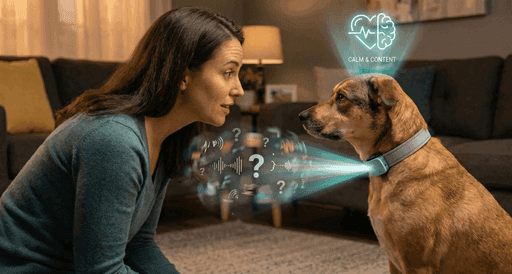
From Data to Bond: How Understanding Emotions Makes Dogs Happier
Data and emotions might seem like opposites. But when it comes to understanding your dog, they're the perfect combination.
The Knowledge Gap
Most pet parents genuinely want the best for their dogs. But wanting the best and knowing the best are different things. Without objective data about your dog's daily experience, you're making decisions based on limited information.
- How does your dog really feel when you leave for work?
- Is their current exercise routine optimal?
- Are they getting enough quality sleep?
- Do they show signs of stress that you're not catching?
How Data Bridges the Gap
When you have continuous data about your dog's activity, heart rate, sleep, and behavior, patterns emerge that inform better decisions:
Exercise optimization: Maybe your evening walk isn't enough. Or maybe it's too much for an aging dog. Data shows you the sweet spot.
Stress identification: You might not realize that the construction noise next door is causing your dog daily anxiety. Activity and HRV data tell the story.
Health early warning: A gradual decline in activity could be the first sign of a developing condition — weeks before visible symptoms appear.
The Bond Effect
Here's what's remarkable: pet parents who use data-driven insights consistently report feeling closer to their dogs. Why?
Because understanding leads to empathy. When you know your dog was anxious while you were at work, you respond differently when you come home. When you see that a certain activity makes them exceptionally happy, you do more of it.
Data doesn't make the relationship clinical — it makes it deeper.
Practical Steps
- Establish a baseline: Track your dog's normal patterns for at least two weeks
- Look for trends: Don't react to single data points; look for patterns over time
- Act on insights: When data suggests something, adjust and observe the results
- Share with your vet: Objective data makes veterinary consultations more productive
Your dog has been trying to tell you how they feel. Now you have the tools to listen.
Want to understand your dog better?
Try WellPet.ai free for 30 days — includes a free smart collar.